Spotlight Stories

Spotlight Member
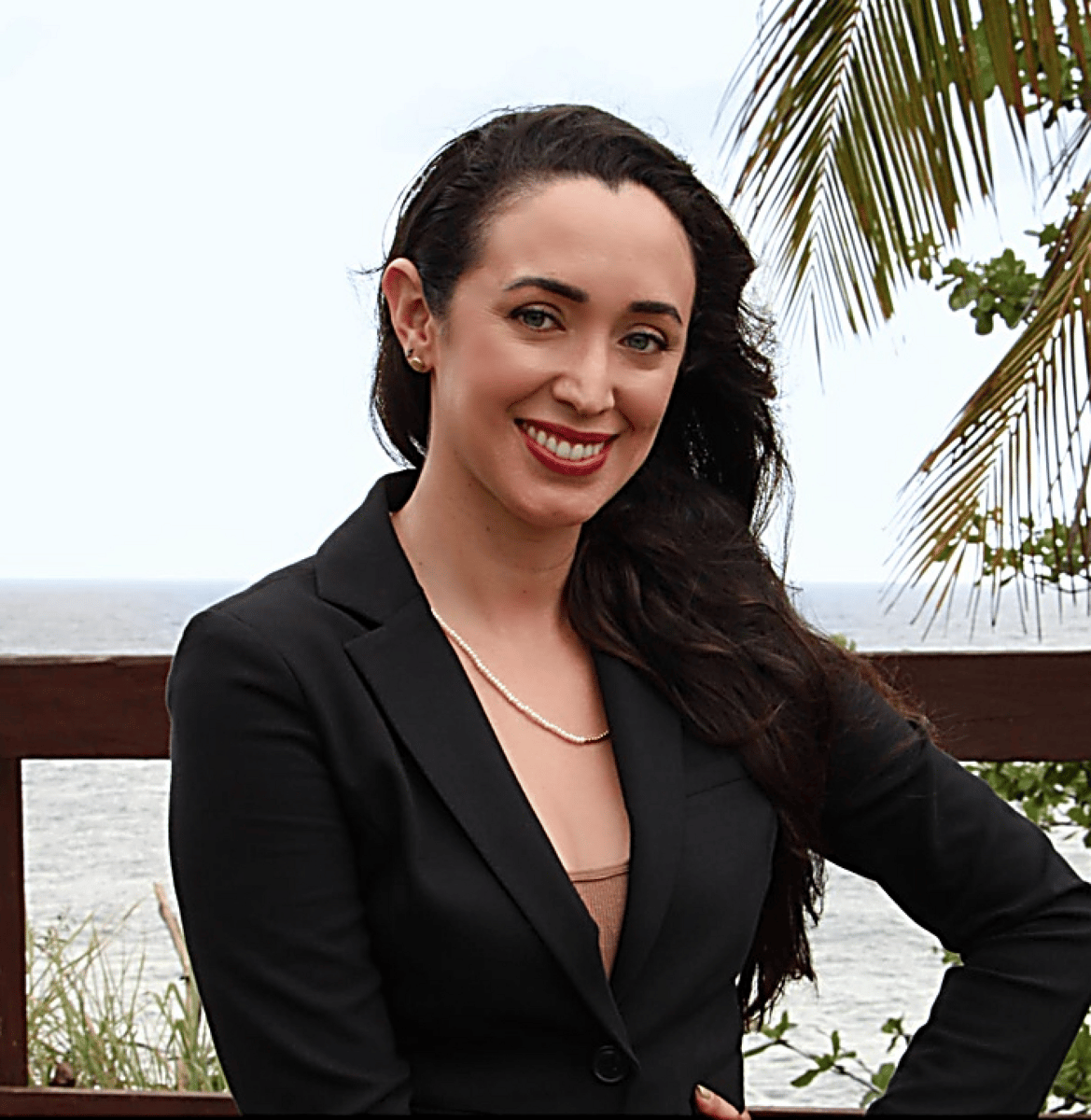
Aracelis Miranda Spindt, DMSc, PA-C
Aracelis Miranda Spindt, cleverly utilizing her maiden name as her current middle name, stands as an exemplary PA with over 25 years of experience in Family Medicine in Wisconsin. Beyond her professional duties, Miranda extends her expertise to volunteer work at the Waukesha Free Clinic at Carroll University, where she serves the homeless and uninsured, also holding a position on the board of directors.
Recognizing the challenges within the PA profession in Puerto Rico, Miranda became an AAMPR member to contribute in any way she could. We asked her questions regarding professional integrity and how she relates it to the situation in Puerto Rico. Here are her responses:
1. Can you share with us a bit about your background and journey in the healthcare field, including what inspired you to pursue a career as a Physician Associate?
I joined the Air Force Reserves straight out of high school to become a flight medic on carrier airplanes such as the C-130 and C-141. During my training, I worked with various PAs.
This was my first exposure to the PA profession. I was impressed by their knowledge, autonomy, and overall impact on people’s lives. My medical training reinforced for me that I wanted to be in healthcare but I wasn’t certain in what capacity.
Upon my return, my NCOIC (Non-Commissioned Officer in Charge) was in PA school at the time. He encouraged me to consider the PA profession and was a mentor and advisor. The rest is history.
2. What are some of the most rewarding aspects of your many roles as a PA?
I trained in Chicago, my hometown and a very diverse city. When I started to practice, I started in a smaller town in Wisconsin that was not as diverse. However, manufacturing plants were attracting many Latinos to the area. There was a significant need, and I was able to grow my practice quickly. The most rewarding aspect was being able to connect with my community, provide care in their native language, thus improving outcomes, and be their advocate when more advanced care was needed. My patients treated me like family and I was very honored and appreciative.
Now, as an educator, seeing young adults start their education with lots of anxiety about the unknown and leaving our program as knowledgeable and confident clinicians is very rewarding.
3. What is professional integrity, and what does it mean to you?
To me, professional integrity means holding yourself accountable to the highest moral and ethical values and principles when working with colleagues and patients. This encompasses a lot, but to me, it generally means treating every patient with the utmost respect regardless of their background, socioeconomic status, personal belief system, or biases. It means being honest about what you know, your scope, and your abilities with your patients and colleagues. It means making sure you are educated on the latest guidelines and recommendations so that you may provide the best possible care for your patients. Lastly, working and communicating with your colleagues respectfully. These are just a few of the values that should guide our professional conduct.
4.Could you share your thoughts on the challenges faced by the PA profession in Puerto Rico, particularly regarding the integrity of the profession?
In our 50+ years as a profession, we have made considerable strides with legislation on national and state levels, in our credibility as a profession among our peers and gaining the trust of our patients within the community. Our professional integrity is at risk when medical graduates who have not met their own professional licensure standards are calling themselves and working as PAs. Because PAs cannot practice on the island, what the community will learn about us is what is presented to them by non-PA healthcare professionals. This is an urgent matter as we consider the healthcare crisis there, what we can potentially offer, and what role we want to play in the healthcare system in Puerto Rico in the future.
5. In your opinion, what are the potential risks or implications of non-PA healthcare professionals holding the PA title in Puerto Rico and Mainland US? How does this impact the broader healthcare system and patient care?
Training and certification from an accredited PA program is our profession’s way of stating that a PA has met the rigorous standards and competencies to be called a PA. Patient care is of the utmost importance. I feel a severe risk in having patients sustain serious injuries by non-PA healthcare providers calling themselves PAs. Such an event would damage the trust and question our credibility with our patients and professional colleagues on the island and abroad. Once broken, it may be difficult to recover, limiting our profession as we strive to expand access.
6. Shifting gears slightly, could you tell us about a professional achievement or milestone that you are particularly proud of?
I was raised by a single Puerto Rican mother who did not finish high school. However, she was the smartest and strongest woman I knew. She encouraged my sister and me to get an education to break the cycle. Completing my doctorate in December of 2022 was a particularly important achievement for me because I felt my mother with me throughout the process. She passed in 2018. I know she would have been very proud. Completing it was my thank-you for her unrelenting support and love.
7. Looking ahead, what are some of your goals or aspirations within the healthcare field, and how do you envision contributing to positive change or improvement in your community and maybe one day in Puerto Rico?
As someone in PA education, one of my goals is to encourage and mentor minority high school students to enter the PA profession. We have a significant shortage of representation within our profession. With my program’s support, I have created and facilitated a mentorship program between our students and students from a local high school interested in healthcare. They participate in monthly meetings and quarterly workshops, teaching a skill such as suturing. The goal is to help high school students through the college admission process while developing a relationship with a mentor and a contact within the profession. The best way I can support AAMPR and our profession in PR is to join the organization and raise awareness of the issues facing PAs in Puerto Rico to affect change. As an active member of the WI Academy of PAs, I was able to write an article for their monthly newsletter about the barriers PAs are facing in PR.
8. Finally, what advice would you offer to aspiring healthcare professionals, especially those from underrepresented backgrounds, who are embarking on their own career journeys?
The best advice I can give them is to work hard and be persistent. You may face barriers that others may not, but tenacity will take you everywhere! Don’t be afraid to ask for help, create your own opportunities, and bring your own chair to the table. You can do it!